

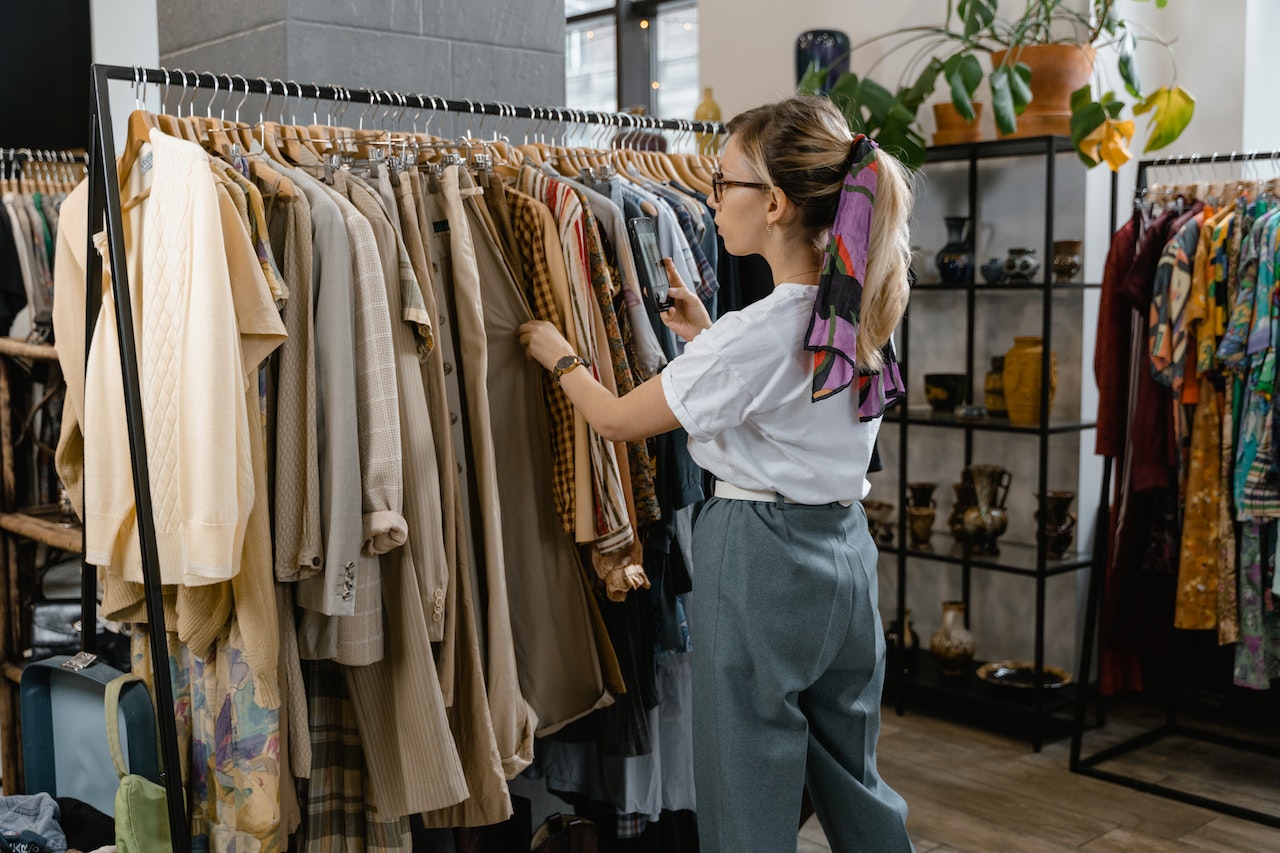
Fashion has always been a powerful form of self-expression, but in recent years it has also become a conversation about responsibility. The rise of sustainable fashion is reshaping the industry, challenging both brands and consumers to think about how clothing is made, worn, and discarded. With growing awareness about environmental impact, ethical production, and conscious consumerism, sustainable fashion is more than just a trend—it’s a movement. But what does it mean for everyday people, and how does it influence the choices you make?
Fashion As A Reflection Of Identity
Fashion has long been about telling stories. The colors, fabrics, and styles you choose reflect your personality and values. Sustainable fashion adds another layer to this expression: it says you care about the planet and ethical practices.
In many ways, it’s similar to the symbolism found in a hidden face girls dp. Just as an image can carry meaning beyond what is visible, sustainable clothing choices reflect hidden values—integrity, awareness, and respect for the environment. The story of what you wear is no longer just about aesthetics; it’s about purpose.
The Growing Role Of Ethical Businesses
Sustainability is not just a consumer demand—it is now a business priority. From small boutiques to global labels, companies are shifting to eco-friendly fabrics, fair wages for workers, and circular business models that encourage recycling.
Platforms like a business directory of Australia reflect this change by showcasing brands that align with ethical and sustainable values. Just as directories connect people to trusted professionals, sustainable fashion connects shoppers to responsible businesses, ensuring that every purchase has a positive ripple effect.
Emotional Connection To Conscious Choices
Fashion is deeply tied to emotion, and sustainable fashion strengthens that bond. When you know your purchase supports artisans or reduces waste, it creates a sense of fulfillment. Clothing becomes more than just fabric—it becomes a statement of care and compassion.
This emotional layer is echoed in spaces like www.mysadshayari.com, where words convey feelings that often go unspoken. Similarly, sustainable fashion carries messages of responsibility and empathy, giving wearers a chance to express not only style but also values.
Sustainability In The Broader Lifestyle
Sustainable fashion doesn’t exist in isolation; it’s part of a larger lifestyle shift. Just as homeowners consider eco-friendly upgrades or communities embrace renewable energy, fashion aligns with broader efforts to live responsibly.
Think of it in the same way as a real estate listing platform Australia. These platforms don’t just list properties—they reflect values of community, design, and sustainability in living spaces. In the same way, sustainable fashion is about rethinking the systems that support our daily lives and aligning them with the values of the future.
The Influence Of Food And Culture
Food, much like fashion, reflects culture and values. Just as diners are increasingly seeking organic, locally sourced meals, consumers want clothing that is ethically made and environmentally conscious. Both industries show that personal choices can influence larger systems.
For instance, dining at an Australia restaurant often highlights fresh, seasonal produce and local traditions. Similarly, choosing sustainable fashion supports local artisans, ethical supply chains, and cultural preservation. Both decisions empower individuals to use consumption as a force for good.
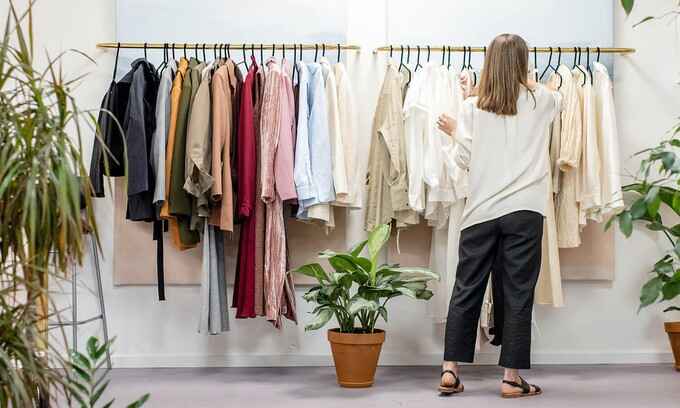
Why Sustainable Fashion Matters For You?
The fashion industry is one of the world’s largest polluters, responsible for massive amounts of textile waste, water consumption, and carbon emissions. By shifting to sustainable practices, consumers directly reduce environmental harm while encouraging brands to innovate responsibly.
For you, this means clothing that is higher in quality, lasts longer, and often carries unique stories of craftsmanship. It’s not just about buying less but about buying smarter. Over time, this shift can save money, reduce clutter, and create wardrobes that feel more authentic.
Practical Steps To Support Sustainable Fashion
- Buy Less, Choose Well: Focus on versatile, timeless pieces rather than fast-changing trends.
- Look For Certifications: Choose brands with clear sustainability commitments, such as organic fabrics or fair-trade practices.
- Second-Hand Shopping: Thrift stores and resale platforms reduce demand for new production and give clothes a second life.
- Care For What You Own: Washing clothes in cold water, repairing items, and donating responsibly extend the life cycle of your wardrobe.
- Support Ethical Brands: Spend money with companies that prioritize both the environment and the people behind the product.
The Future Of Fashion
The rise of sustainable fashion signals a broader shift in consumer power. As more people demand accountability, fashion houses are forced to adapt. Innovation in biodegradable fabrics, rental services, and digital fashion are already redefining how we interact with clothing.
For modern consumers, this means having a more meaningful relationship with fashion—where purchases align with both personal identity and global responsibility. It’s a future where fashion doesn’t just look good but does good.
Conclusion
Sustainable fashion is no longer a niche concept—it is a global movement that reflects the values of modern living. By connecting personal expression with responsibility, it empowers individuals to make choices that matter. Like hidden messages in art or poetry, the meaning of fashion now lies not only in appearance but in action. For you, it means a chance to align your wardrobe with your values, embrace higher-quality clothing, and contribute to a healthier planet. In choosing sustainable fashion, you’re not just keeping up with trends—you’re shaping a future where style and responsibility walk hand in hand.